

How to Tell if Bakelite is Real (Simple Tests You Can Do at Home)
Simple, practical tips to help you identify real Bakelite with confidence.
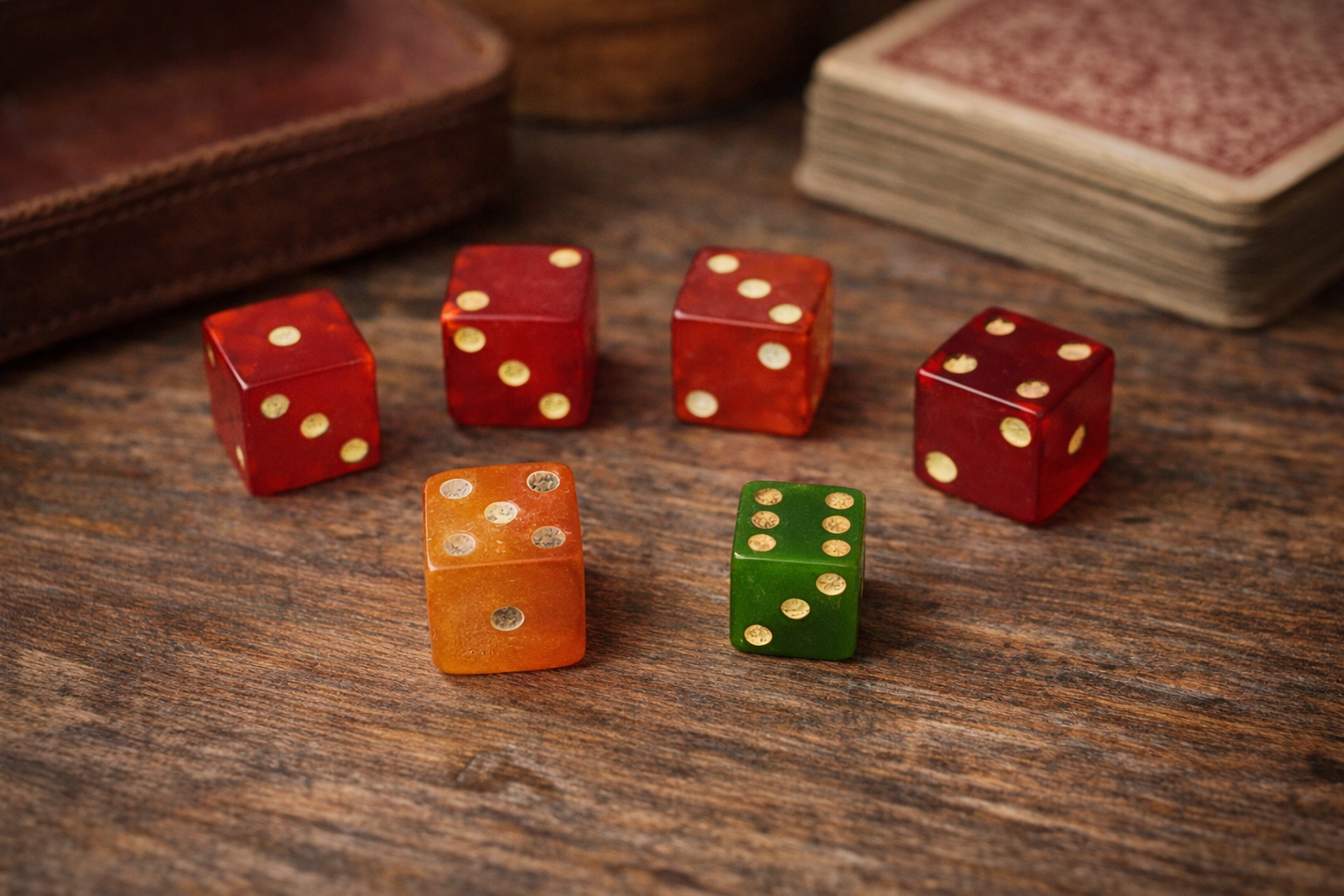
Bakelite dice like these are a great example of early plastics that are now widely collected.
How to Tell if Bakelite is Real (Simple Tests You Can Do at Home)
Bakelite is one of the most recognizable early plastics used in vintage items, showing up in everything from jewelry and game pieces to kitchenware and collectibles.
Because of its popularity—and value—it’s also one of the most commonly reproduced materials. That means knowing how to identify real Bakelite can make a big difference, whether you’re buying, selling, or collecting.
The good news is, there are a few simple ways to test for Bakelite at home.
What Is Bakelite?
Bakelite is a type of early plastic developed in the early 1900s and widely used through the 1930s and 1940s.
It was popular because it could be molded into different shapes, dyed in vibrant colors, and was more durable than many materials used at the time.
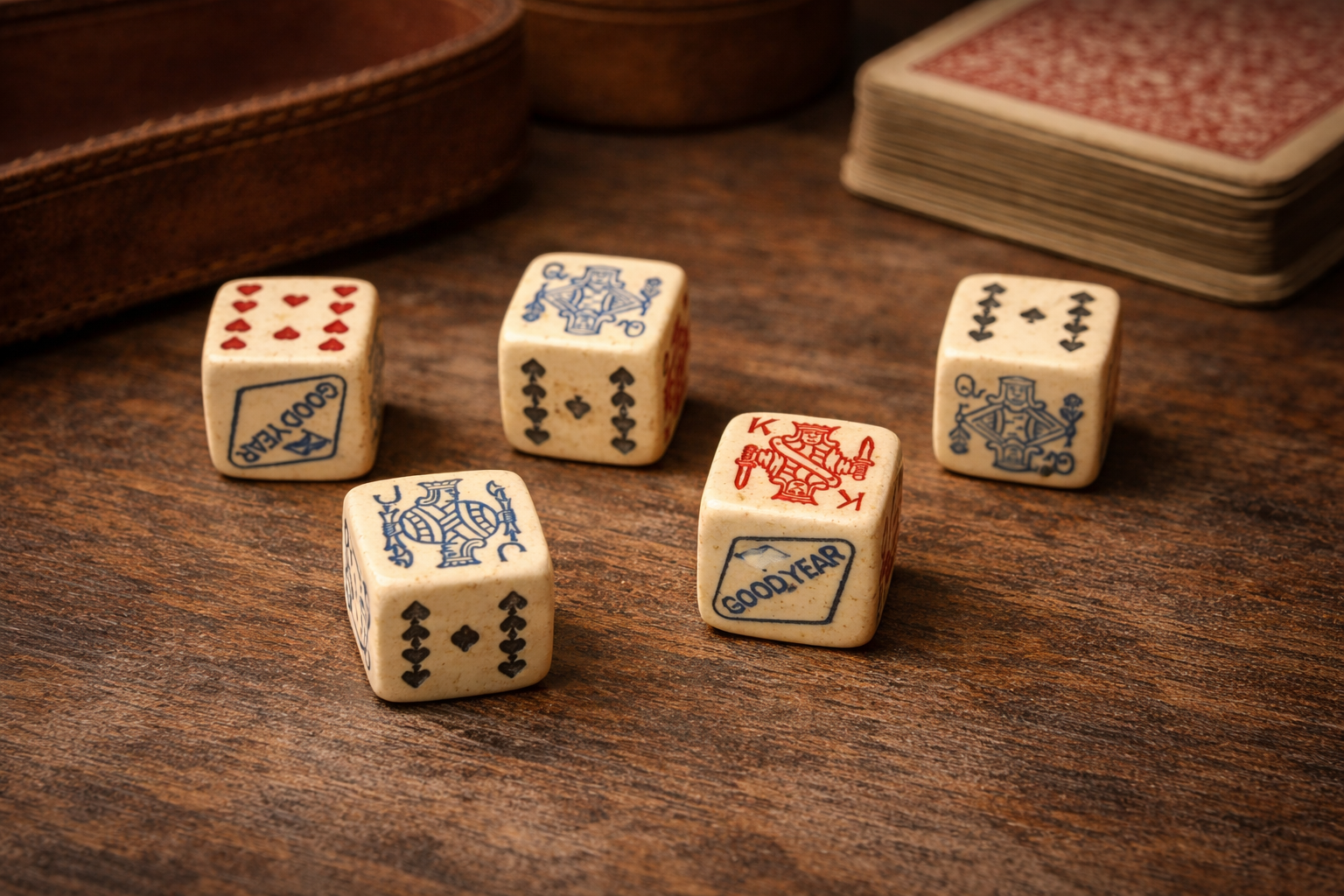
Vintage dice like these show how early plastics were used in everyday items—many of which are now considered collectible.
Today, genuine Bakelite items are sought after by collectors, especially in:
jewelry
game pieces (like dice or checkers)
kitchen items
radios and small household objects
Why It Matters
Real Bakelite often holds significantly more value than later plastics.
Being able to identify it helps you:
avoid overpaying
recognize valuable items
confidently list and sell vintage pieces
Simple Tests to Identify Real Bakelite
There’s no single perfect test—but using a combination of these methods can give you a reliable answer.
The Smell Test (One of the Most Reliable)
Rub the item gently with your fingers or a soft cloth to create a little warmth.
If it’s real Bakelite, it will often give off a distinct smell—commonly described as:
formaldehyde
or similar to a chemical / antique “plastic” scent
👉 This is one of the easiest and safest tests to try first.
2. The Hot Water Test
Run the item under hot water for a few seconds.
Like the friction test, real Bakelite will often release that same distinct smell when warmed.
⚠️ Avoid soaking delicate items or anything with glued parts.
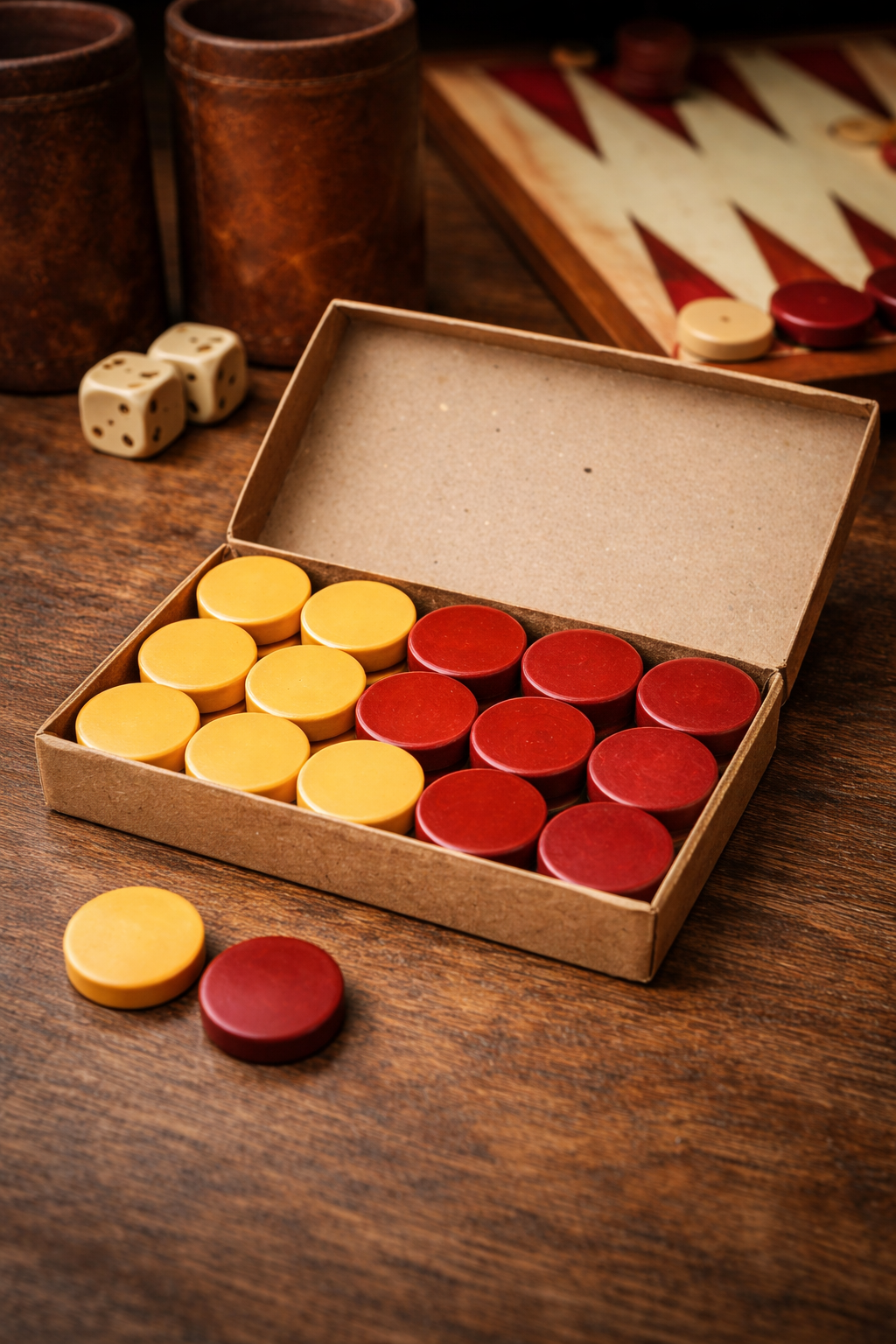
Vintage game sets like this often include pieces made from early plastics, making them great candidates for testing and identification.
3. The Simichrome Test (More Advanced)
Using a small amount of Simichrome polish on a cotton swab:
Rub a small, inconspicuous area
If the swab turns yellow or brown, it may indicate Bakelite
⚠️ Use caution—this is slightly abrasive and not recommended for all pieces.
4. The Look and Feel Test
Over time, Bakelite develops a certain look:
Slightly heavier than modern plastic
Smooth, but not “slick”
Often has a deeper, richer color
Many pieces also show subtle signs of age that newer reproductions lack.
Common Mistakes to Avoid
Relying on just one test
Assuming all old plastic is Bakelite
Ignoring condition and wear
Using harsh chemicals or damaging tests
Final Thoughts on Identifying Bakelite
Learning to identify Bakelite takes a little practice, but it’s a valuable skill for anyone interested in vintage collecting.
The more pieces you handle, the easier it becomes to recognize the differences between early plastics and later reproductions.
Where You Might Find Bakelite
Bakelite shows up in more places than most people expect. While it’s often associated with jewelry and game pieces, it was also widely used in household items.
From drawer pulls and handles to small hardware pieces, Bakelite can be found in everyday objects that were built to last.
Learning to recognize it means you’ll start spotting it in places others might overlook.
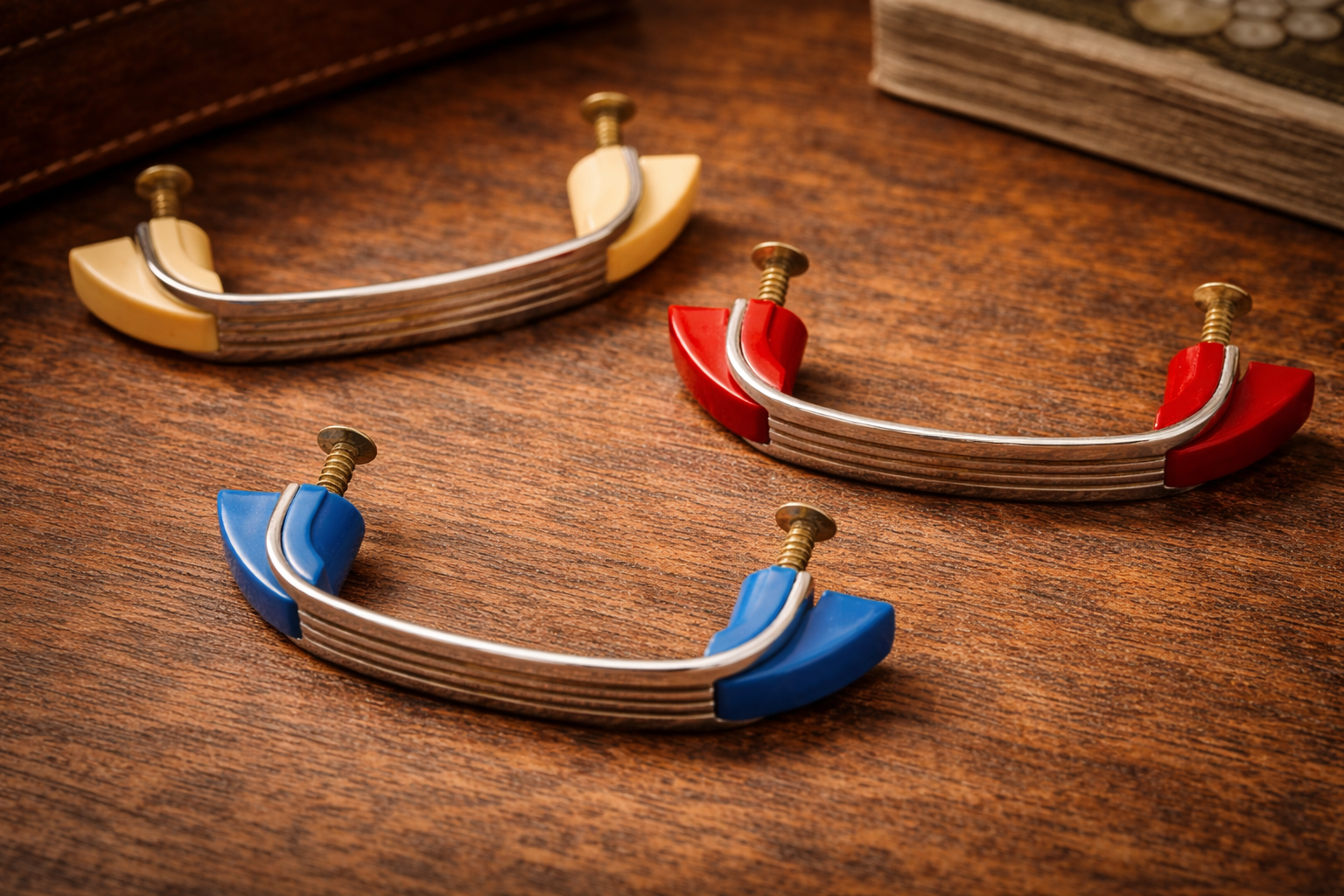
Vintage drawer pulls like these are another example of how Bakelite was used in everyday household items.
See Real Examples
If you’re interested in seeing examples of vintage items, including pieces made from early plastics, you can browse my current finds here:
Etsy Shop: https://theoneeyeddogshop.etsy.com