

From Game Night to Great Finds: Hunting for Vintage Games
From familiar favorites to games you’ve never heard of, the hunt is half the fun.
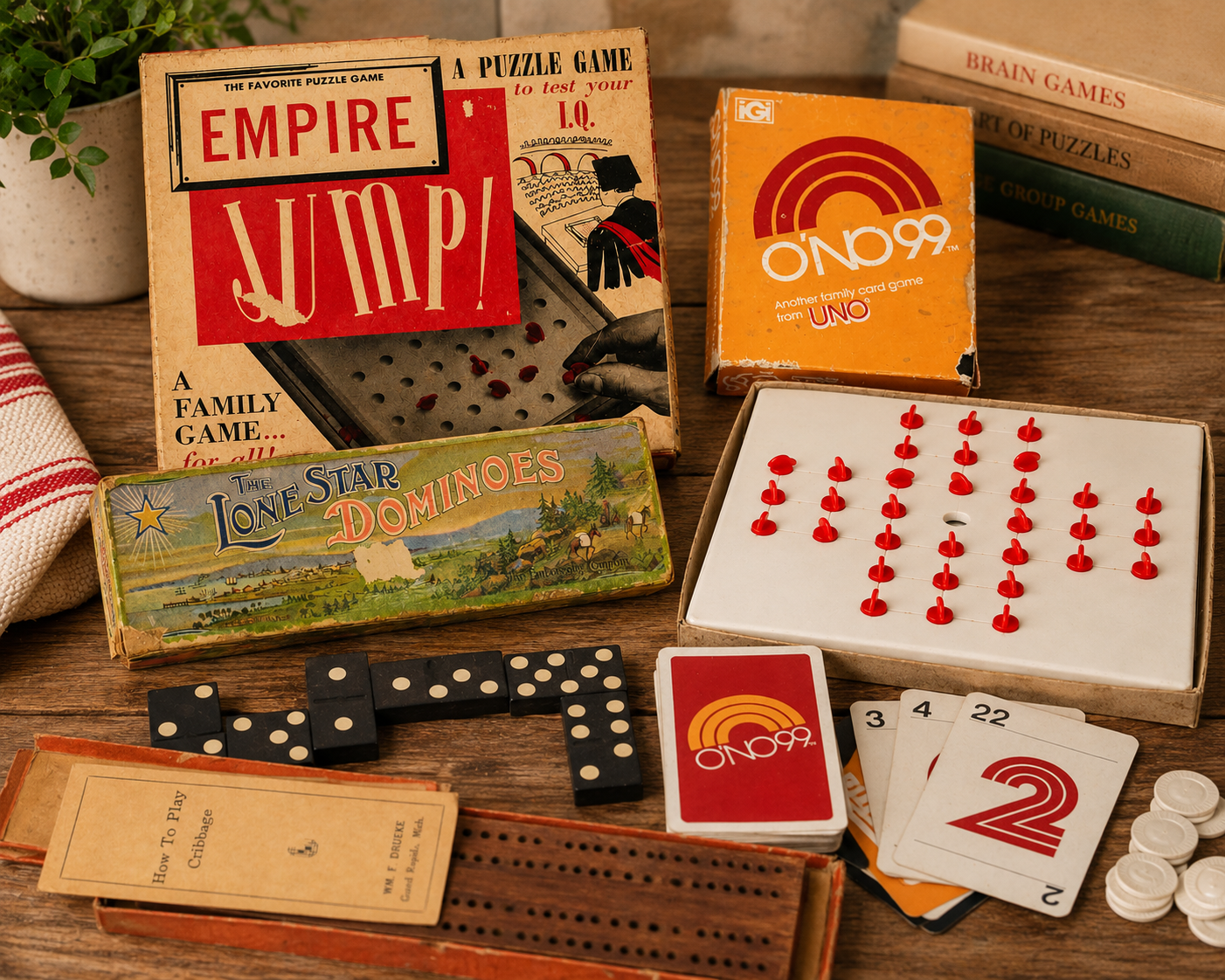
Monopoly and Clue may get the fame, but some of the most interesting vintage games are the ones you’ve never played.
Beyond the Familiar Favorites
When most people think of vintage board games, names like Monopoly, Clue, Scrabble, and Yahtzee probably come to mind. They’re classics for a reason, but they’re only a small part of what’s waiting on thrift store shelves, at antique shops, estate sales, and flea markets.
Some of the most interesting vintage games are the ones that have been largely forgotten. Maybe they were only produced for a few years, tied to a particular era, or simply never became household names. Games like Jump It, O’NO 99, and countless others can offer a fun glimpse into the trends, artwork, and entertainment of their time.
And you don’t necessarily have to recognize a game to know it deserves a closer look. An unusual box, colorful graphics, quirky game pieces, or an unfamiliar name can be exactly what makes a vintage game interesting.
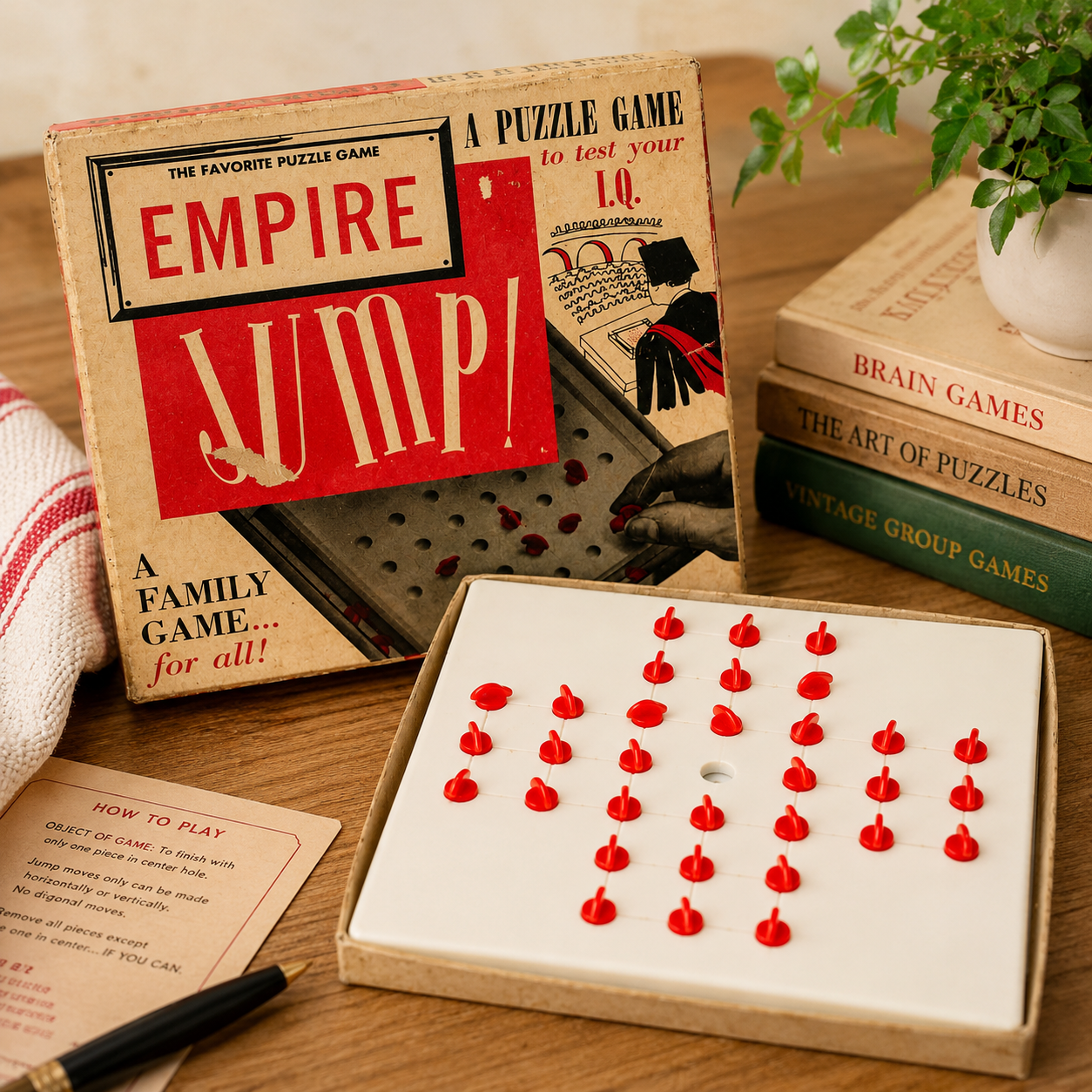
Lesser-known games like Jump It are a reminder that some of the most interesting vintage finds aren’t always the most famous.
Sometimes, “I’ve never seen that before!” is the best reason to pick up the box and take a look inside.
Look Inside the Box
A great-looking box may be what catches your attention, but what’s inside can tell you much more about a vintage game. Before bringing one home, take a few minutes to open it up and see what has survived over the years.
Start with the pieces that are unique to that particular game. Boards, specialty cards, spinners, unusual tokens, instructions, and custom playing pieces can be much harder to replace than ordinary dice, pawns, or pencils. If you aren't sure what should be there, the instruction sheet—or even a contents list printed inside the box—can sometimes help.
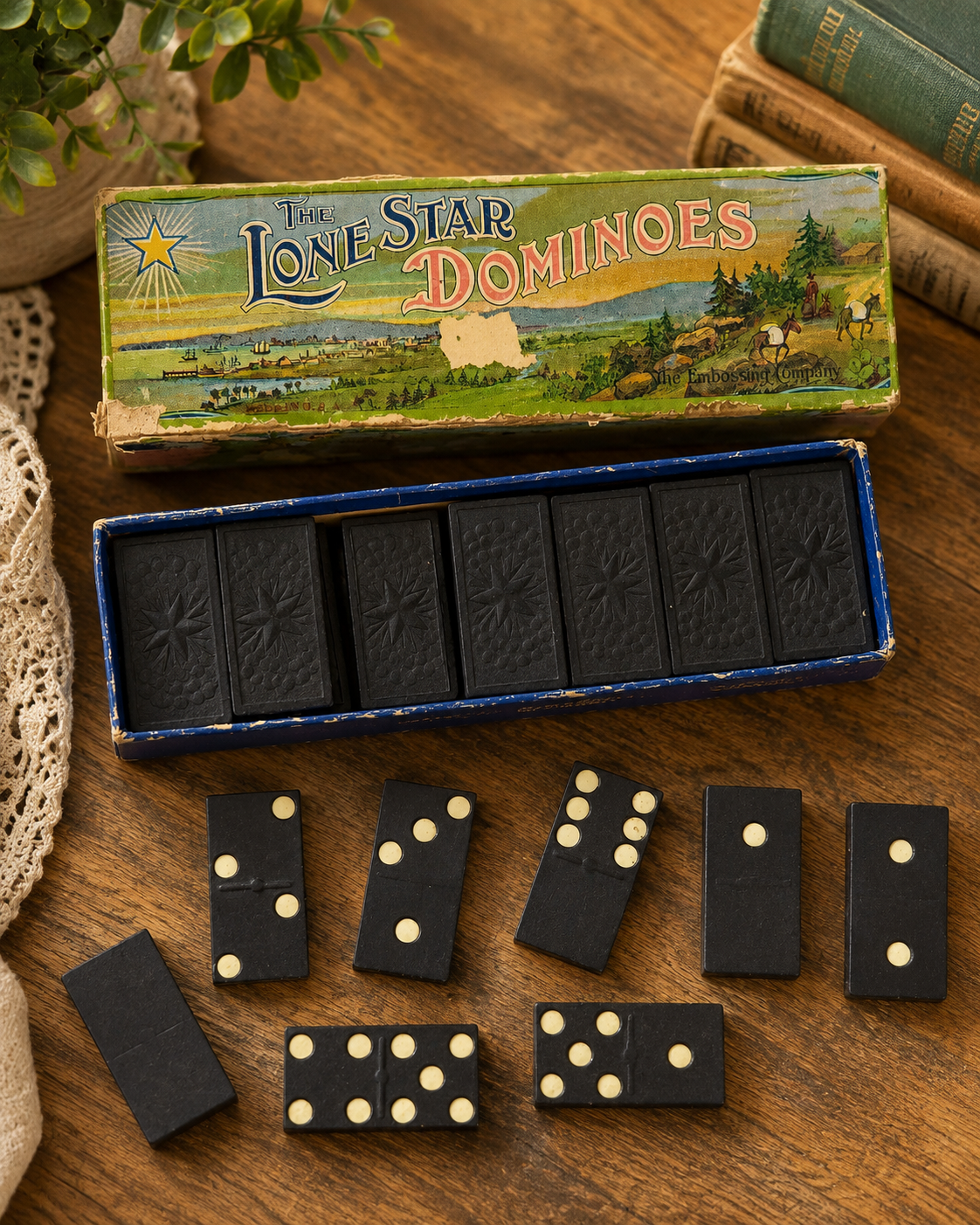
A peek inside can reveal a lot—original pieces, condition, and even the little details that make a vintage game special.
Don't automatically pass on a game just because something is missing, though. What matters depends on why you want it. A collector may prefer a complete set with the original box and instructions, while someone buying for display may care more about colorful graphics and an interesting board. If you're hoping to actually play it, you'll want enough of the important pieces for the game to function.
And don't overlook the little things tucked inside. Old score sheets, handwritten notes, pencils, replacement pieces, and other signs of use can be part of a game's history. They may not make it more valuable, but they can be wonderful reminders that someone once opened that same box, gathered around a table, and played.
Don’t Let a Worn Box Scare You Away
A vintage game doesn’t have to look brand new to be worth bringing home. In fact, a little wear is often exactly what you should expect from something that spent decades being pulled from a closet, carried to the kitchen table, played, packed up, and played again.
Look past ordinary age-related wear and pay attention to the difference between used and damaged. Rubbed corners, faded colors, old tape, writing, or a split box corner may not matter much if the game itself is clean and usable. Water damage, mildew, strong odors, extensive staining, or pieces that have deteriorated are a different story and deserve a closer look.
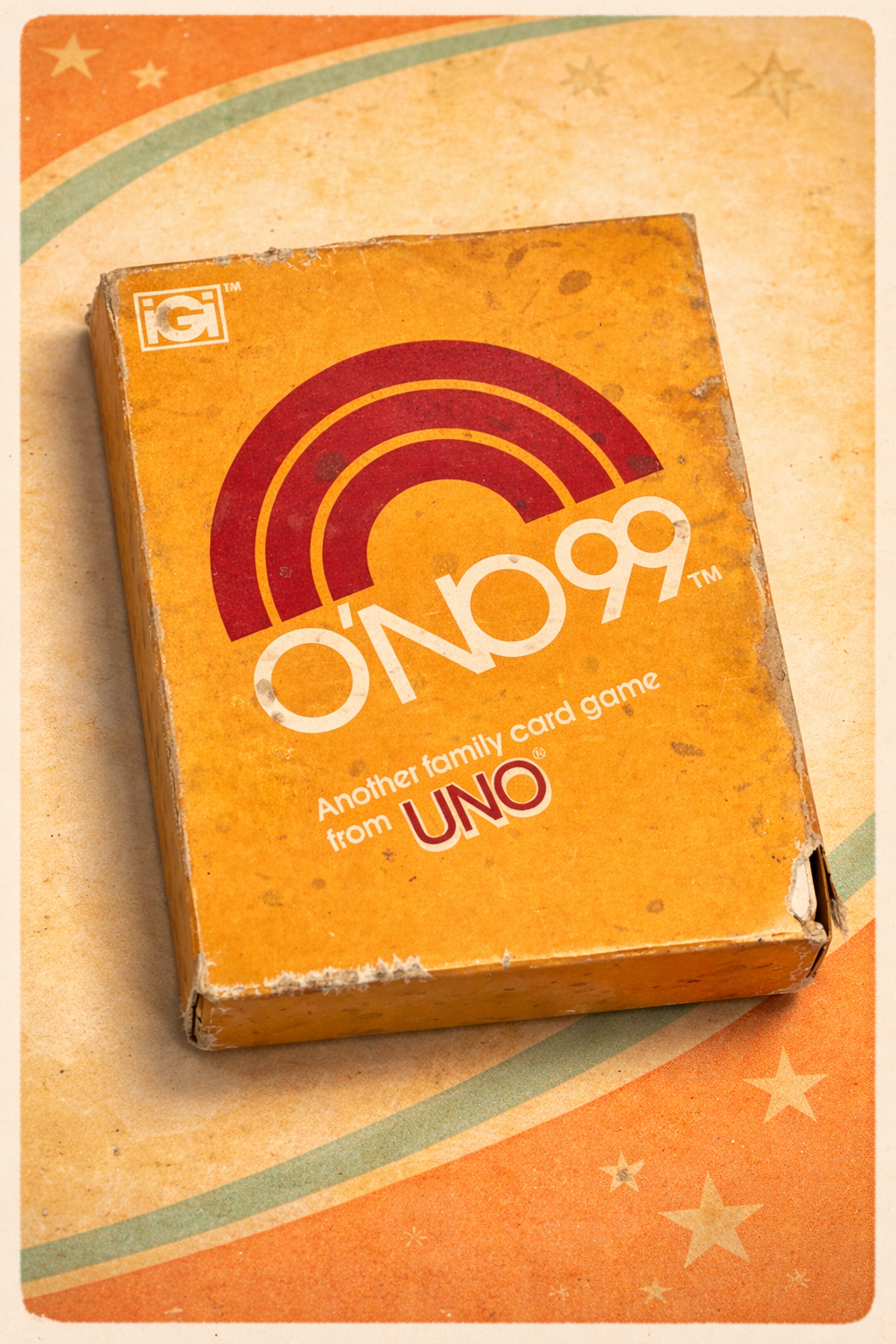
A worn box doesn’t necessarily mean a game isn’t worth a closer look—sometimes the wear is simply part of its history.
The box can also be one of the best parts of an older game. Vintage typography, illustrations, logos, and advertising can immediately place a game in another era. Sometimes the graphics are interesting enough that the game makes a great display piece—even if you never intend to play it.
And remember that condition should always be considered alongside age and rarity. A worn example of an unusual game you rarely encounter may be far more interesting than a pristine copy of something you see everywhere.
Vintage doesn’t mean perfect. Sometimes the wear is part of what tells you the game was actually loved and played.
Look Beyond the Game Aisle
One of the best parts of hunting for vintage games is that they can turn up almost anywhere. Antique stores and vintage shops are obvious places to start, but don’t overlook thrift stores, flea markets, estate sales, garage sales, and even boxes tucked underneath tables at antique malls.
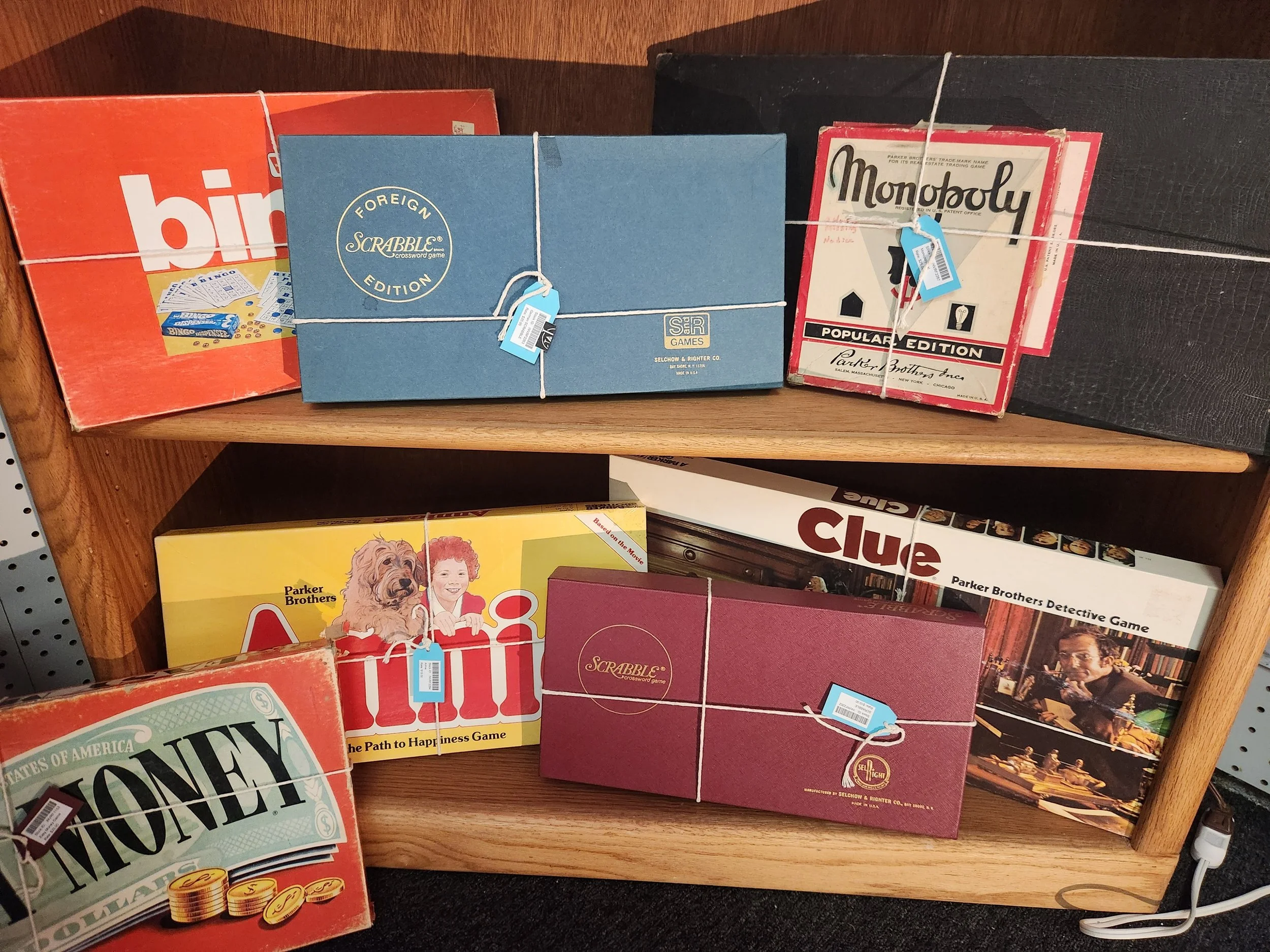
You never know what might be waiting on an antique shop shelf—even a familiar favorite like Scrabble can come with an unexpected twist, like this German edition.
Sometimes the most interesting games aren’t displayed front and center. Older boxes may be mixed in with puzzles, toys, books, or tucked onto a bottom shelf simply because no one is quite sure what they are.
And while online marketplaces make it easier to search for a particular game, shopping in person has one big advantage—you can open the box, look at the pieces, check the condition, and sometimes discover something you never would have thought to search for.
The best vintage game finds are often the ones you weren’t looking for in the first place.
Final Thoughts
Vintage games don’t have to be rare, valuable, or even familiar to be worth picking up. Sometimes the best finds are simply the ones that make you stop, take a closer look, and wonder what’s inside the box.
Check the pieces, consider the condition, look beyond the titles you already know, and don’t be afraid of a game you’ve never heard of. Part of the fun of collecting vintage games is discovering something unexpected—and maybe even bringing it home for another round of play.
Whether you find an old favorite from childhood, an unusual version of a familiar game, or something completely new to you, every vintage game has a story waiting inside the box.
And really, isn’t opening the box half the fun?
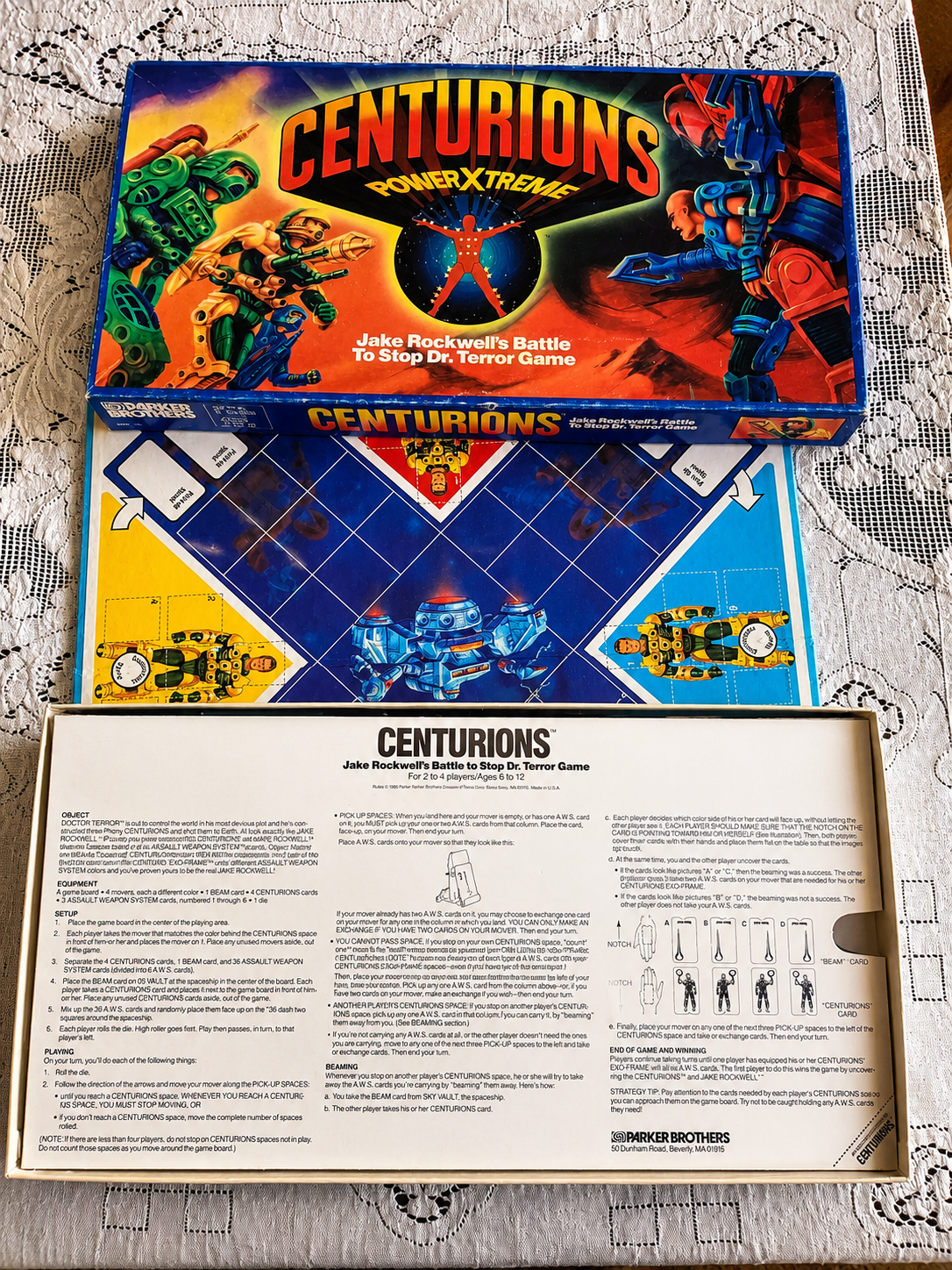
Sometimes the best part of a vintage game is opening the box and discovering something you’ve never seen before.