

Why Vintage Items Are Still Worth Collecting (and How to Find the Good Ones)
Real vintage finds, research, and selling tips from a lifelong collector.
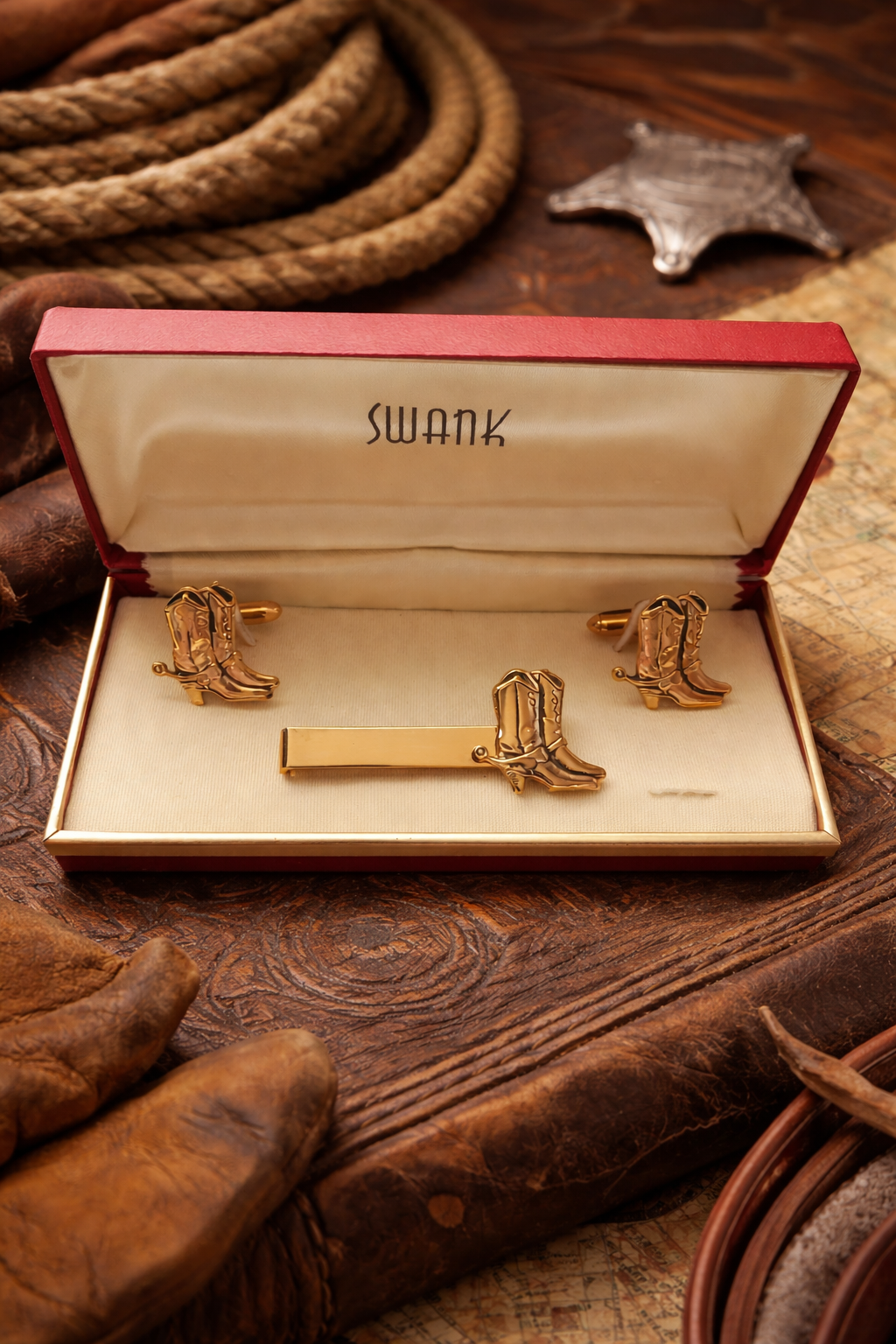
Vintage Western cufflinks—small pieces with big character, and a perfect example of how even everyday accessories can become collectible over time.
Why Vintage Items Are Still Worth Collecting (and How to Find the Good Ones)
If you’ve ever picked up an old item and wondered where it’s been or who owned it before you, you already understand part of the appeal of vintage.
Vintage items aren’t just things—they’re pieces of everyday history. From well-used kitchenware to children’s books, collectibles, and Western memorabilia, each piece carries a story that modern mass-produced items just don’t have.
Over time, what started as a personal interest in vintage items grew into something more. I began researching, collecting, and eventually selling pieces that stood out—items with character, quality, and a story worth passing on.
What Makes Vintage Items Worth Collecting?
Not everything old is valuable—but many vintage items are worth collecting for reasons beyond price.
Some of the most desirable vintage pieces stand out because of:
Quality craftsmanship you don’t often see in modern production
Unique materials like Bakelite, early plastics, or hand-finished ceramics
Limited production runs or regional makers
Nostalgia, especially items tied to childhood or family traditions
Even items that aren’t rare can still be meaningful. In many cases, it’s the connection to a time, place, or memory that makes vintage special.
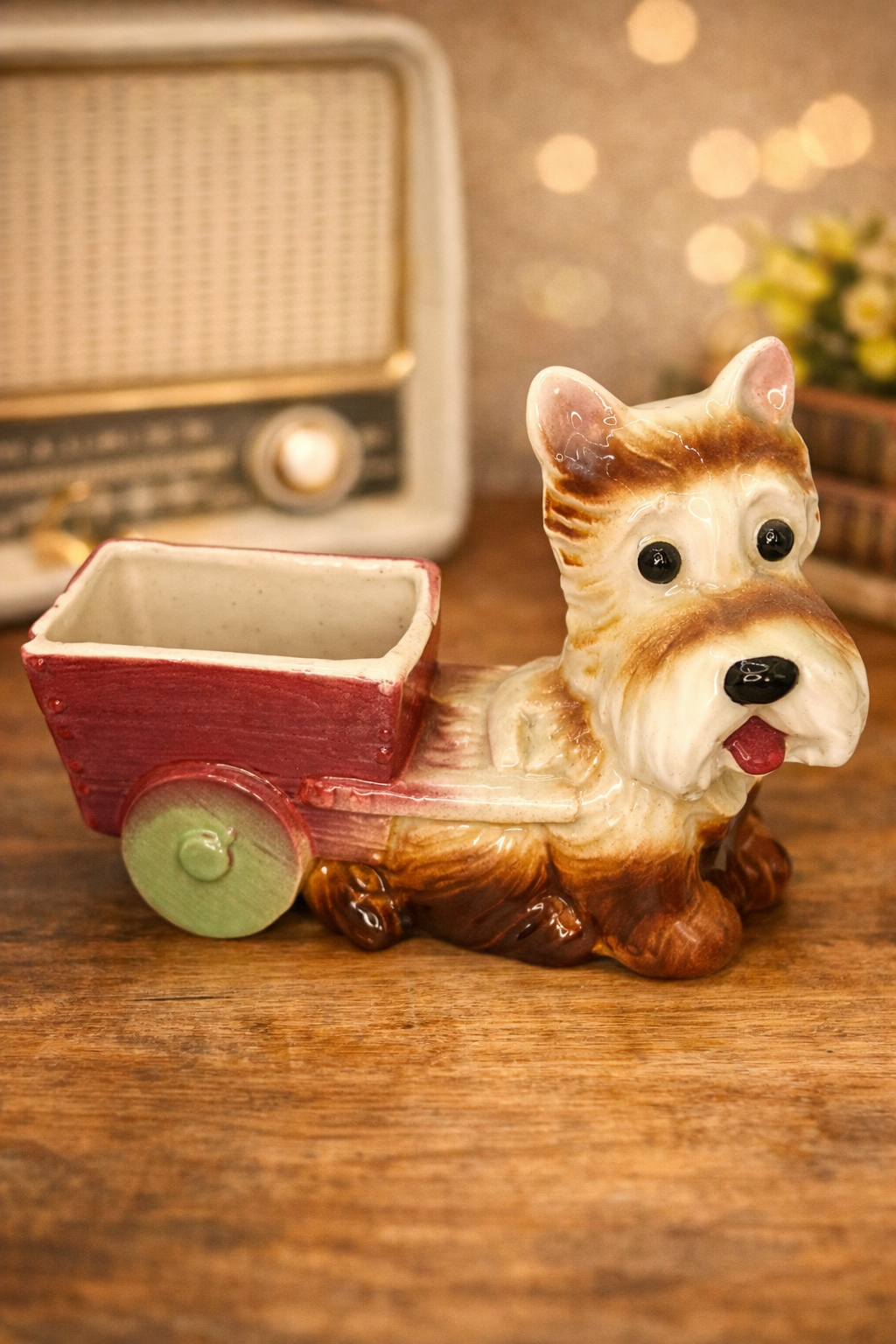
Vintage pieces come in all shapes and styles—like this mid-century Scotty dog planter, full of charm and personality.
How to Identify Vintage Items Worth Keeping
If you’re new to collecting, knowing what to look for can feel overwhelming. The good news is—you don’t need to be an expert to get started.
Here are a few simple ways to identify vintage items worth a closer look:
1. Pay attention to materials
Older items often feel different—heavier, more solid, or made from materials no longer commonly used.
2. Look for markings or maker’s stamps
Labels, stamps, and engravings can help identify where and when an item was made.
3. Consider condition
Some wear is expected with vintage items, but cracks, repairs, or missing pieces can affect value.
4. Notice design and style
Certain colors, shapes, and patterns are tied to specific decades or trends.
The more you handle vintage items, the easier it becomes to recognize what stands out.
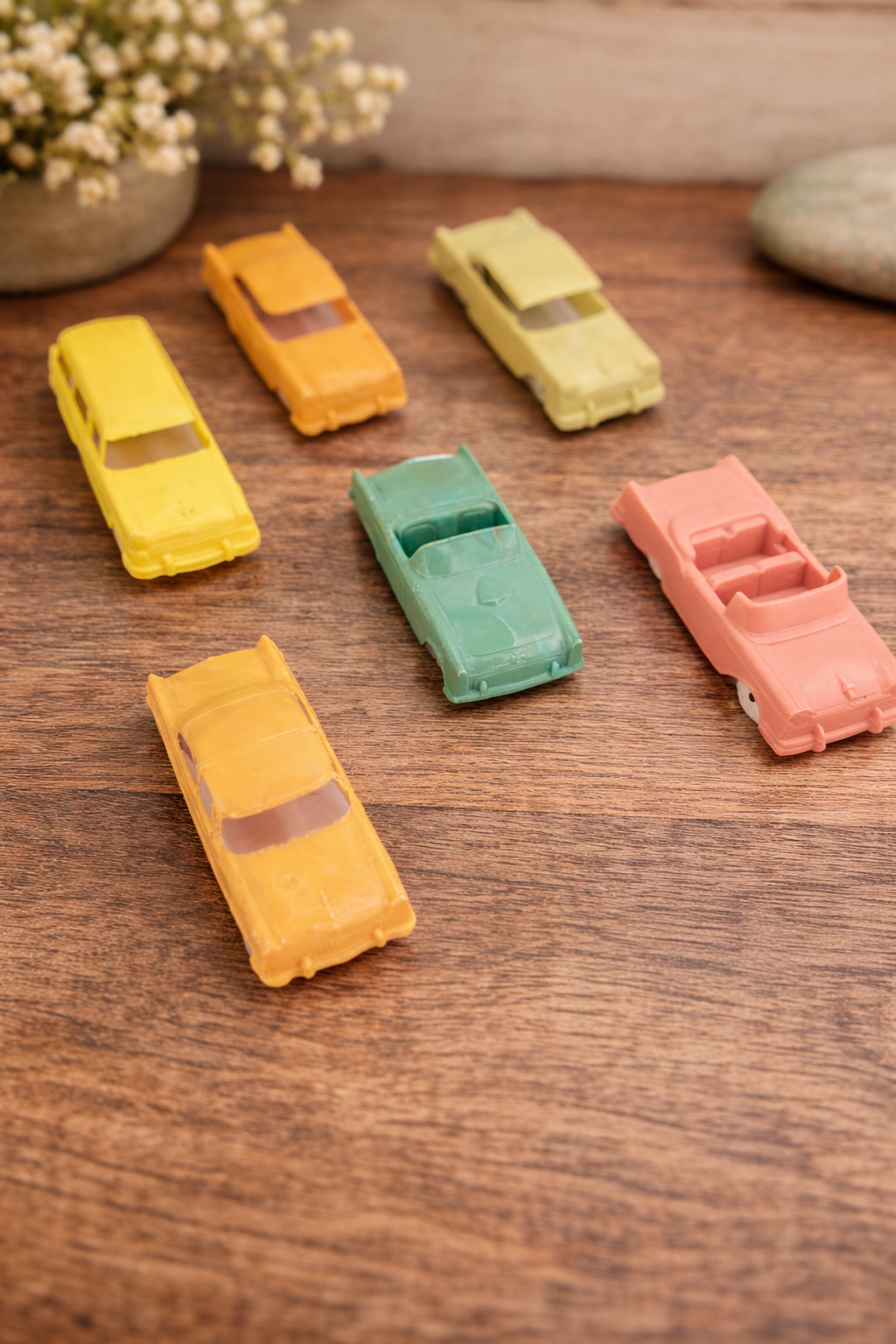
Simple toys like these vintage cereal box cars are a great reminder that even everyday items can become collectible over time.
Why I Started Selling Vintage Items
At some point, collecting turned into curating.
I realized I enjoyed not just finding unique items, but helping them find the right home. Whether it’s a vintage game, a collectible mug, or a Western belt buckle, each piece has a place—and someone out there is looking for it.
That’s what led me to start selling vintage items online and building a small business around it.
What You’ll Find on This Blog
This blog is an extension of that work.
Here, I’ll be sharing:
Tips for identifying and evaluating vintage items
Background and history on specific collectibles
Real examples from items I’ve found and sold
Guidance on buying, selling, and collecting vintage
If you’re interested in vintage—whether as a collector, decorator, or reseller—you’re in the right place.
Browse Current Vintage Finds
If you’d like to see what I currently have available, you can browse my shop here:
Etsy Shop: https://theoneeyeddogshop.etsy.com
New items are added regularly, and inventory is always changing—part of what makes vintage so fun.
Final Thoughts on Collecting Vintage
Vintage collecting isn’t just about value—it’s about connection.
Whether you’re searching for something specific or just enjoy the hunt, there’s always something new to discover. And sometimes, the best finds are the ones you weren’t even looking for.
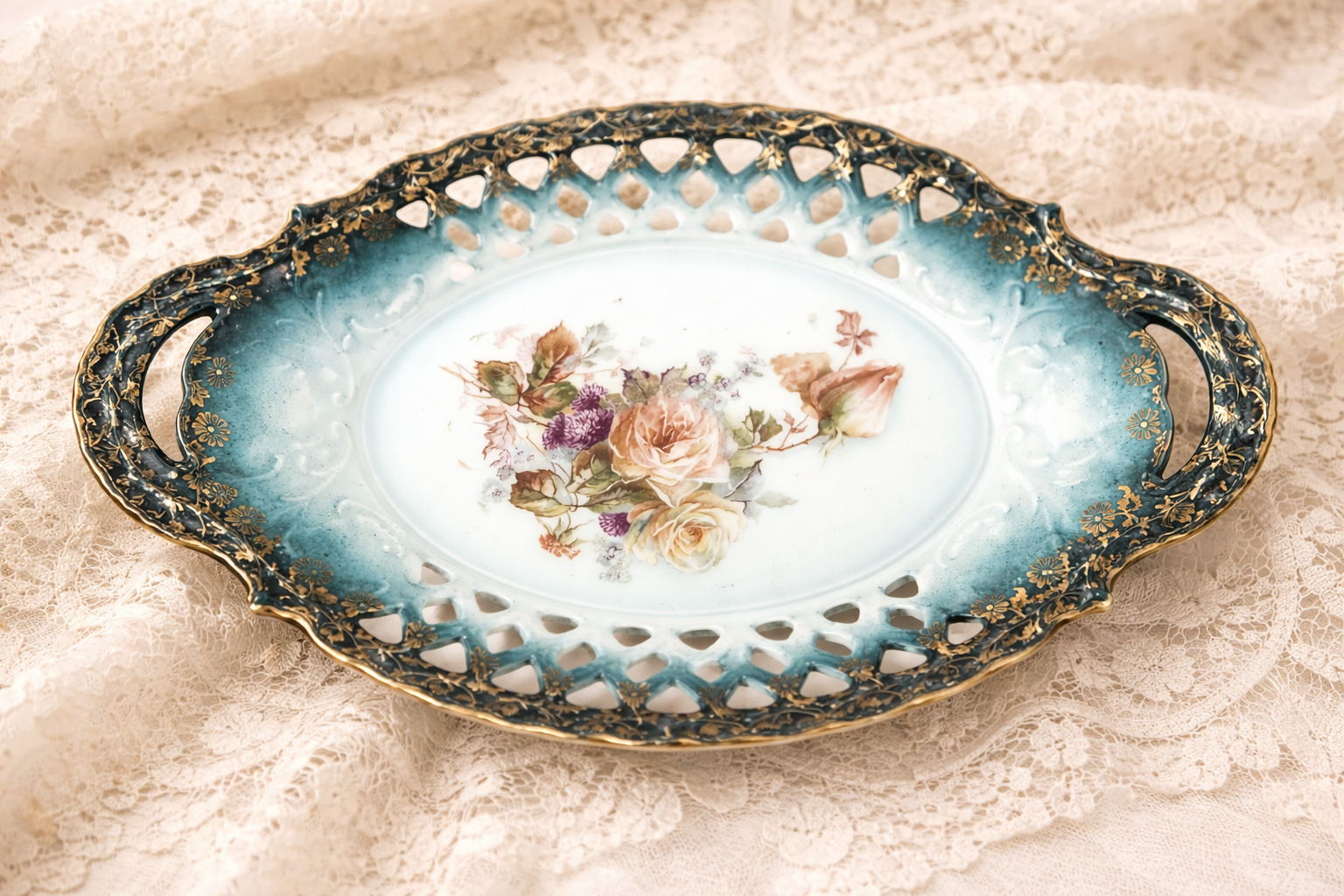
Pieces like this antique celery dish reflect a level of detail and care that’s hard to find in modern production.
Continue the Search for Vintage Finds
Vintage collecting is as much about the experience as it is the item itself. Sometimes you’re searching for something specific, and other times the best pieces are the ones you didn’t expect to find.
That’s part of what keeps it interesting—there’s always something new, and every piece has a story waiting to be discovered.